What Institutions Actually Need From Crypto Startups: 5 Lessons
What Institutions Actually Need From Crypto Startups: 5 Lessons
What Institutions Actually Need From Crypto Startups: 5 Lessons
Community & Discussions
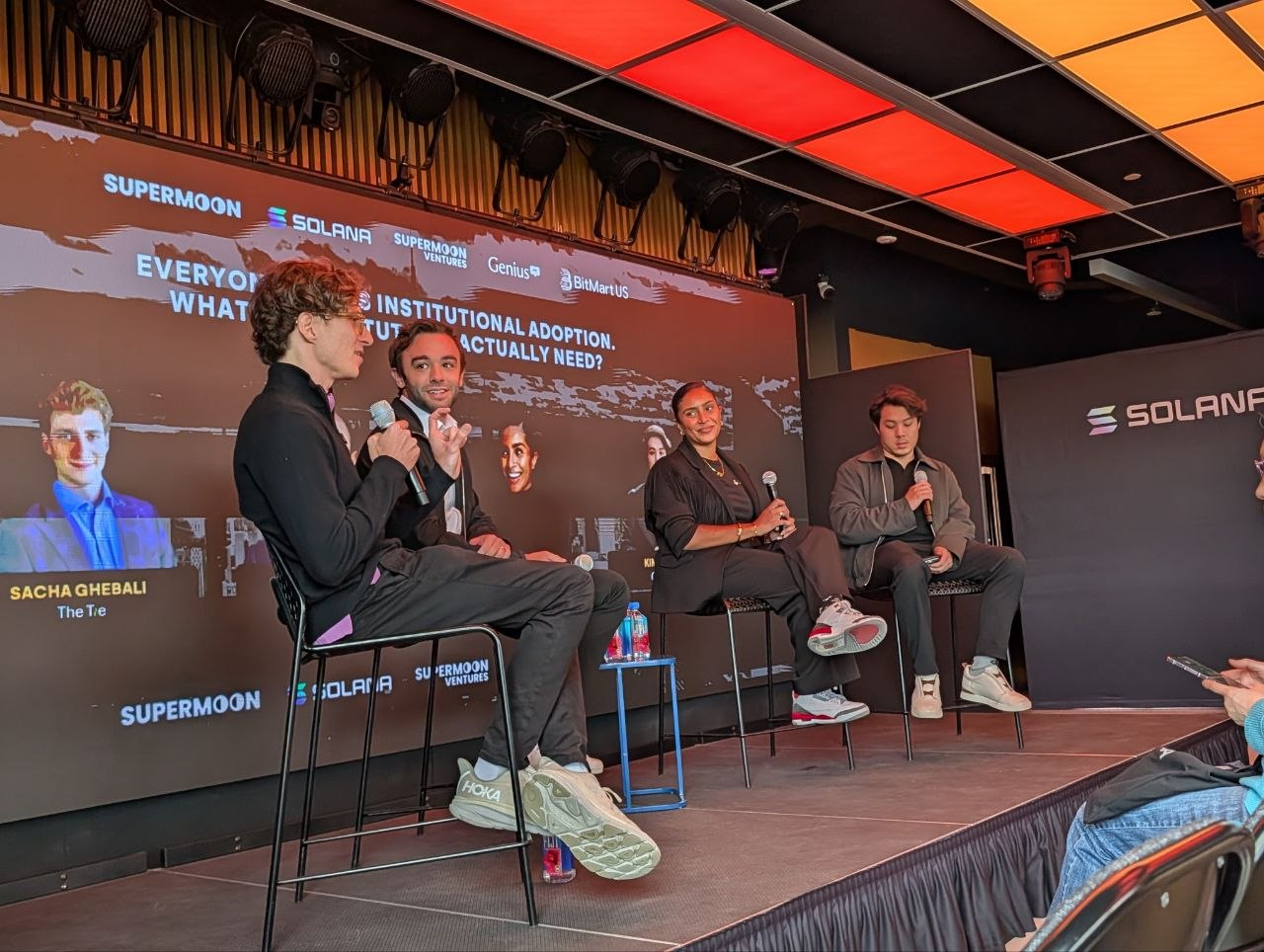
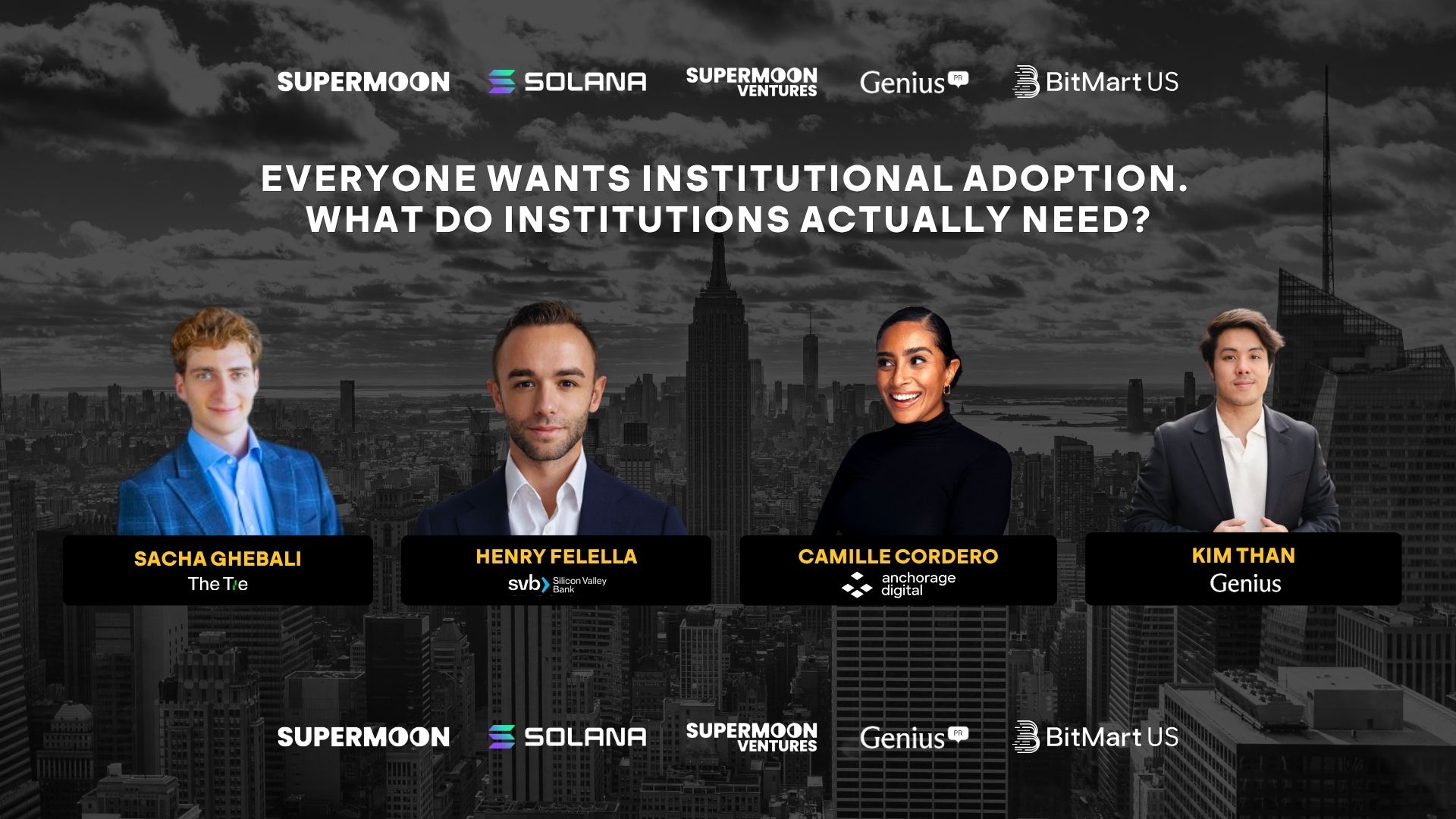
We put together a panel at our Startup x Capital Forum during Digital Asset Summit NY with people who live on the institutional side every day: Camille Cordero from Anchorage Digital, Henry Felella from Silicon Valley Bank, and Sacha Ghebali from The Tie. Moderation was handled by Kim Than from PR Genius. The question was simple. Everyone says they want institutional adoption. But what do institutions actually need from you?
The answers were more practical than most founders expect.
The first thing that came up, from both Camille and Henry independently, was licensing. Not product. Not traction. Licensing. If you're facilitating money movement and you don't have your MSB or MTL in order, the door doesn't open. Henry was pretty direct about it: "I cannot believe I'm on a panel saying this after spending so long in the industry, but that's just the reality."
The second thing was something we see founders miss all the time: finding an internal champion. Henry made the point that without someone inside the institution who is actively pulling you through the process, you end up stuck, "getting looped around different email addresses." Camille took it further. She said before you sell anything, you need to build an organizational map. Who are the decision-makers? Who are the influencers? Who are the naysayers? That map determines where your time goes.
Sacha added something specific to crypto: the younger employees at institutions tend to be the in-house experts, and they carry more weight internally than they would in traditional finance. Build trust there first.
On timelines, the panel was honest in a way that's worth repeating. Camille has been at Anchorage for five years and is still working deals she started on day one. Sacha warned that institutional sales cycles run 12 to 24 months, and that founders need to structure comp plans around that reality instead of judging sales hires at the six-month mark. Henry offered a practical benchmark: if you're not having productive, multi-threaded conversations within six months, it's probably not the right institution. You won't close by then, but you should see momentum.
One of our favorite moments was when the conversation turned to networking. Henry's advice was dead simple: host a dinner. Fifteen people, high-signal, confirmed three times. He said it would bring more deals and connections than any conference floor interaction. Camille added that co-hosting with a partner doubles the network effect. And both of them stressed follow-up. Not the "let's connect on LinkedIn" kind. The real kind, where you send a message and then follow up again days later.
The thread that ran through the entire panel was this: stop leading with your product. Start leading with value. Henry told a story about a three-hour conversation with a bank executive where they had zero business to do together. But that conversation means the next time something in crypto lands on that person's desk, Henry gets the call. Sacha put it simply: "Play the long-term game. People move a lot in crypto. Two or three companies down the line, there might be something you can do together."
That's the real playbook. Licensing first, champion second, patience always, and value before the pitch.
We put together a panel at our Startup x Capital Forum during Digital Asset Summit NY with people who live on the institutional side every day: Camille Cordero from Anchorage Digital, Henry Felella from Silicon Valley Bank, and Sacha Ghebali from The Tie. Moderation was handled by Kim Than from PR Genius. The question was simple. Everyone says they want institutional adoption. But what do institutions actually need from you?
The answers were more practical than most founders expect.
The first thing that came up, from both Camille and Henry independently, was licensing. Not product. Not traction. Licensing. If you're facilitating money movement and you don't have your MSB or MTL in order, the door doesn't open. Henry was pretty direct about it: "I cannot believe I'm on a panel saying this after spending so long in the industry, but that's just the reality."
The second thing was something we see founders miss all the time: finding an internal champion. Henry made the point that without someone inside the institution who is actively pulling you through the process, you end up stuck, "getting looped around different email addresses." Camille took it further. She said before you sell anything, you need to build an organizational map. Who are the decision-makers? Who are the influencers? Who are the naysayers? That map determines where your time goes.
Sacha added something specific to crypto: the younger employees at institutions tend to be the in-house experts, and they carry more weight internally than they would in traditional finance. Build trust there first.
On timelines, the panel was honest in a way that's worth repeating. Camille has been at Anchorage for five years and is still working deals she started on day one. Sacha warned that institutional sales cycles run 12 to 24 months, and that founders need to structure comp plans around that reality instead of judging sales hires at the six-month mark. Henry offered a practical benchmark: if you're not having productive, multi-threaded conversations within six months, it's probably not the right institution. You won't close by then, but you should see momentum.
One of our favorite moments was when the conversation turned to networking. Henry's advice was dead simple: host a dinner. Fifteen people, high-signal, confirmed three times. He said it would bring more deals and connections than any conference floor interaction. Camille added that co-hosting with a partner doubles the network effect. And both of them stressed follow-up. Not the "let's connect on LinkedIn" kind. The real kind, where you send a message and then follow up again days later.
The thread that ran through the entire panel was this: stop leading with your product. Start leading with value. Henry told a story about a three-hour conversation with a bank executive where they had zero business to do together. But that conversation means the next time something in crypto lands on that person's desk, Henry gets the call. Sacha put it simply: "Play the long-term game. People move a lot in crypto. Two or three companies down the line, there might be something you can do together."
That's the real playbook. Licensing first, champion second, patience always, and value before the pitch.
Related posts
Related posts
Related posts